
we Don’t call it sandblasting
Join the Vapor Blasting Revolution.
This isn’t your grandpa’s sandblasting service. Today, we offer dust-less (wet or vapor or slurry) blasting and low-dust blasting using a variety of abrassives (media). Everything from biosoluable abrassives at various grit levels, to pulverized, recycled glass bottles, and even walnut shells.
Not all surfaces are created equal, so we don’t approach projects with a one-size-fits all solution. Adjusting the PSI and media will keep that ‘68 Camaro fender from warping. Increasing the grit and propulsion will take that graffiti off your commercial building in no time. Ready to restripe that parking lot? Let’s go dustless and build containment to keep your retail or multi-family lot clean and ready to restripe.
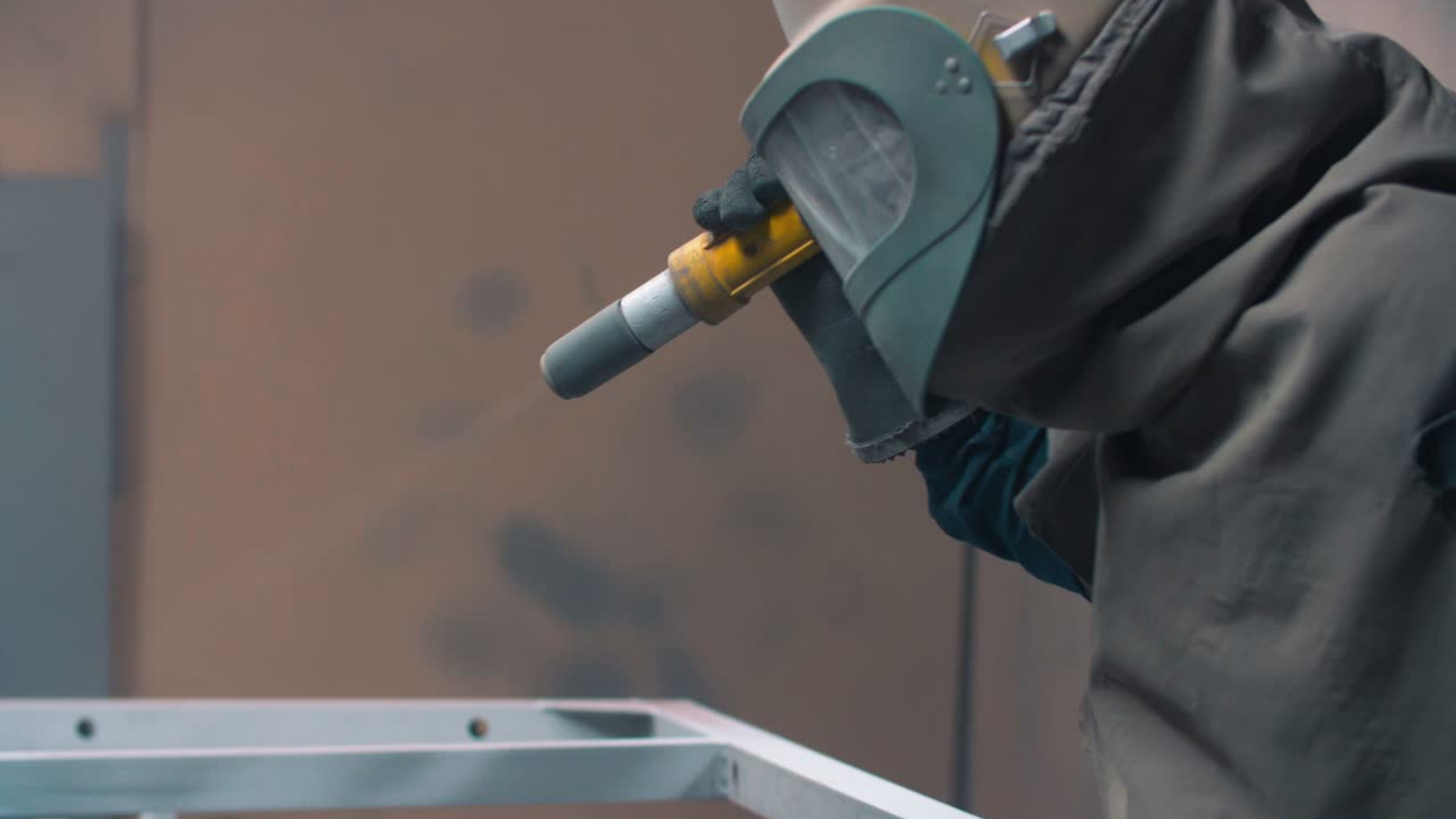
What We Blast With
(And Why It Matters)
Not all blasting media is created equal. What works great on a steel tank will destroy an aluminum panel. What cleans concrete might be overkill for wood. We match the media to your project—not the other way around. The options are endless, but we will always choose the blast media that’s best for your project…
Here's what we keep in our arsenal and when we use it.
Recycled Glass
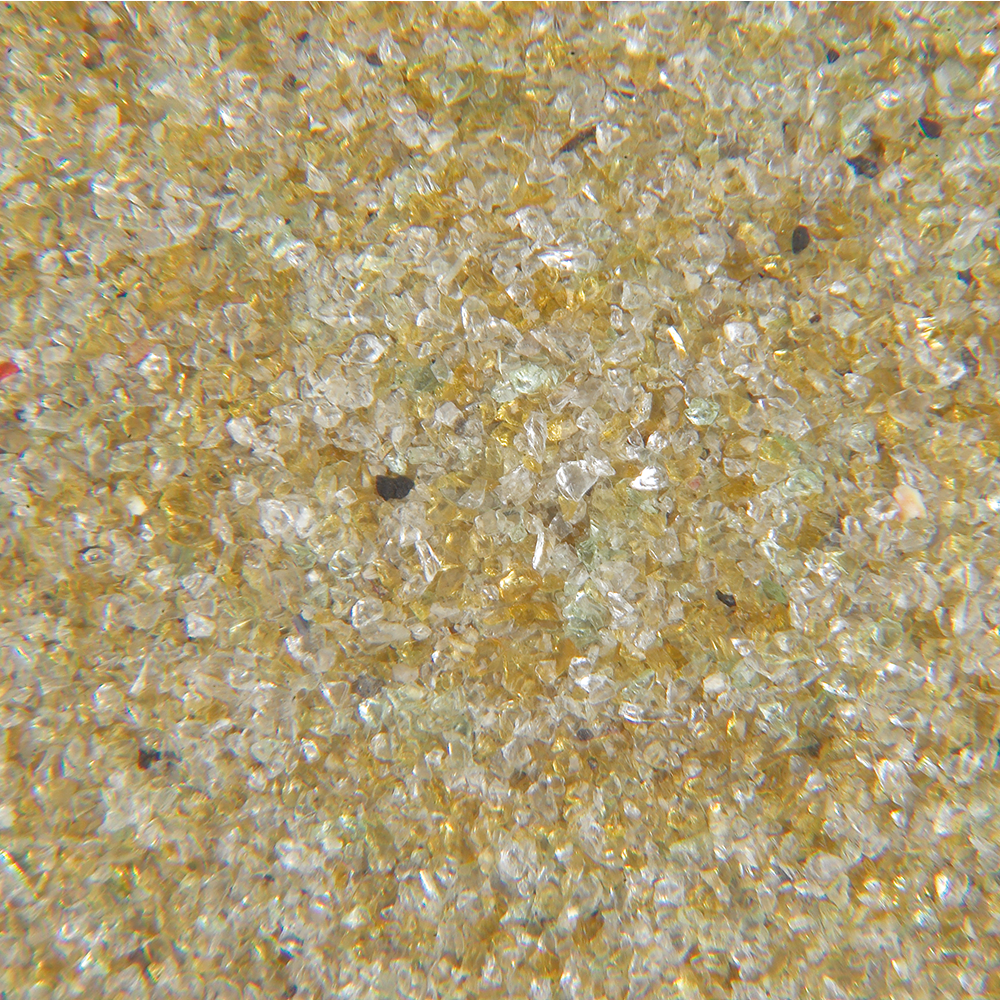
What it is: Crushed glass bottles processed into blasting media.
Best for:
Heavy paint removal on steel, iron, and concrete
Rust stripping on equipment and structures
Anything that needs aggressive cleaning without being too harsh
Why we like it:
Eco-friendly (literally made from recycled beer bottles)
Cuts through thick coatings fast
Less expensive than some synthetic options
Works great on the tough jobs
When we use it: Tanks, trailers, structural steel, parking lots, driveways—basically anything that can take a beating and needs serious cleaning.
Walnut Shells
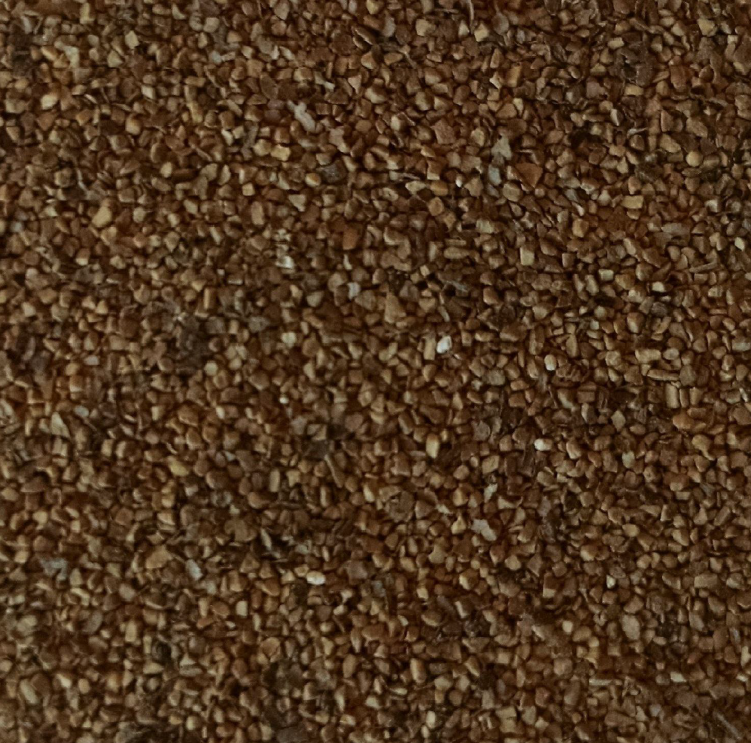
What it is: Crushed walnut shells ground to specific sizes.
Best for:
Classic car bodies and panels
Aluminum parts and soft metals
Removing carbon buildup without damaging the base material
Delicate restoration work
Why we like it:
Won't warp thin metal or damage softer surfaces
Biodegradable and renewable
Gentle enough for intricate parts, tough enough to actually clean them
Non-sparking (matters when you're working around fuel systems)
When we use it: Fenders, hoods, engine components, aluminum trailers, antique equipment—anything where you need it clean but can't afford to damage it.
Biosoluble Engineered Media

What it is: Synthetic abrasive designed to break down safely.
Best for:
Jobs with strict environmental requirements
Food processing equipment
Anywhere the EPA's watching
Commercial or industrial sites with tight regulations
Why we like it:
Breaks down naturally over time
Less health risk than traditional media
Still gets the job done
Keeps you compliant with environmental regs
When we use it: Food service equipment, regulated facilities, sensitive environments, or anywhere traditional media might cause problems down the line.
How We Choose
Every job gets evaluated before we show up. We're looking at:
What's being blasted: Metal type, thickness, condition. A rusted-out farm tank gets different treatment than a classic Mustang fender.
What's coming off: Thick industrial paint needs aggressive media. Light surface rust? We can go gentler.
What happens next: If you're powder coating, we need a specific surface profile. If you're just cleaning it up, that's different prep.
Where it's happening: Indoor job with air quality concerns? Outdoor site with runoff restrictions? Different media for different environments.
The Dustless Difference
Here's the thing about traditional blasting: it creates a massive dust cloud. You can't see, you can't breathe, and everything within 50 feet gets coated.
Our dustless system adds water to the equation. The media stays wet, which means:
92% less dust in the air
You can keep working nearby without shutting everything down
Less cleanup when we're done
Safer for everyone involved
Faster rust removal (the water accelerates the process)
It's not zero dust—nothing is—but it's a heck of a lot better than traditional dry blasting.
What We Don't Use (And Why)
Silica Sand Yeah, it's cheap. It's also a health hazard. Breathing silica dust causes silicosis—basically turns your lungs into concrete. We're not doing that to ourselves or anyone on-site. There are better, safer options.
Random Cheap Media Not all "abrasive" is actually good for blasting. We've seen guys try everything from playground sand to crushed rock. Ends badly. We stick with engineered media that's designed for the job.
Common Questions
-
Depends. Walnut shells? Usually one-time use. Recycled glass? We can sometimes recycle it on bigger jobs, but it breaks down. We're not trying to squeeze every last blast out of worn-out media—fresh media works better and faster.
-
Maybe. That's why we ask questions first. Tell us what you're blasting and what you're trying to accomplish. We'll tell you straight if our process is right for it or if you need a different approach.
-
What if I don't know what media I need? That's literally our job. You tell us what needs cleaning and what it's made of. We figure out the rest.
-
Yep. It's included in the quote. You're not sourcing media and hoping it's the right stuff.
Contact us
Interested in working together? Fill out some info and we will be in touch shortly. We can’t wait to hear from you!